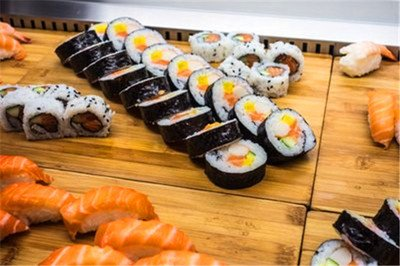
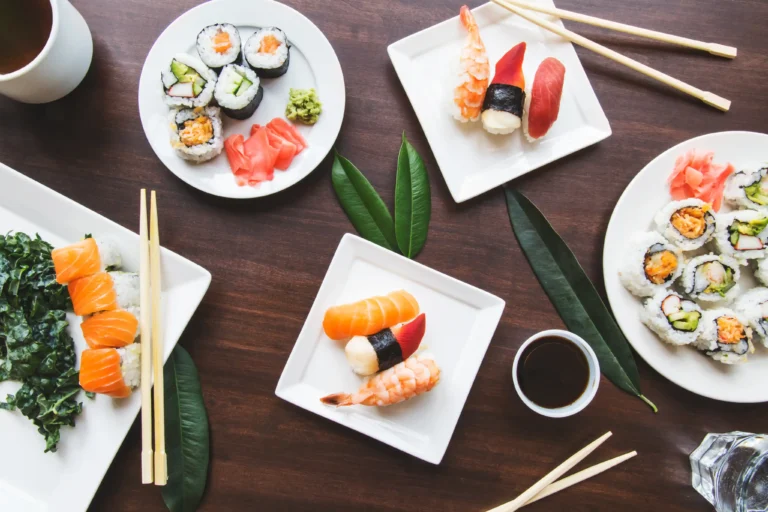
A sushi rice machine is a specialized automated device designed to streamline the production of sushi rice components—including formed rice balls (nigiri rice bases) and flat rice sheets (used for maki rolls)—for sushi restaurants, takeout shops, and catering businesses. Unlike traditional manual preparation, which relies on skilled chefs and is prone to inefficiency, inconsistency, and high labor costs, this machine integrates intelligent technology, precision engineering, and user-friendly design to solve core pain points in sushi operations. It is not just a “time-saver” but a strategic tool that balances speed, quality, and ease of use, making it essential for modern sushi businesses aiming to scale, cut costs, and maintain consistent customer satisfaction.
1. Core Purpose: Solving Sushi Operations’ Biggest Pain Points
The primary goal of a sushi rice machine is to address the challenges that plague sushi businesses daily. For decades, sushi preparation has depended on chefs with years of training to master the art of shaping rice—too loose, and the sushi falls apart; too tight, and the rice becomes dense and unappetizing. This manual process also limits output: a skilled chef can typically make 300–400 rice balls per hour, a bottleneck during peak hours (e.g., lunch rushes or weekend dinners). Additionally, labor costs for trained sushi chefs are high, especially for small independent shops or chain locations with high turnover.
A sushi rice machine eliminates these issues by automating the most labor-intensive step: rice shaping. It ensures every rice ball or sheet meets exact standards (size, compactness, thickness) while boosting output by 3–5 times compared to manual work. For businesses, this translates to lower labor expenses, faster order fulfillment, and fewer customer complaints about inconsistent quality—all while reducing reliance on specialized staff.
2. Key Features: Designed for Practicality and Performance
Modern sushi rice machines are built with sushi operators’ needs in mind, combining advanced technology with intuitive functionality. Below are the most critical features that define a high-quality model:
Intuitive Intelligent Operation
Nearly all premium sushi rice machines feature a color LCD touchscreen interface, replacing complex knobs or dials. This design allows even first-time users (e.g., new hires with no sushi experience) to master the machine in 5–10 minutes—no professional training required. The interface displays clear icons for core functions: selecting rice ball size (e.g., 30g for small nigiri, 50g for large), adjusting compactness levels (for dine-in vs. takeout), setting production counts (e.g., “make 50 rice balls”), and monitoring rice levels. Some models even include pre-programmed modes for common sushi types (e.g., “nigiri mode,” “maki sheet mode”), further simplifying operation.
High, Flexible Production Capacity
Capacity is tailored to different business sizes, with three common tiers to choose from:
- Entry-Level (1,200–1,500 rice balls/hour): Ideal for small community shops or mall kiosks. This speed handles off-peak demand easily and keeps up with moderate rushes, allowing one staff member to manage both the machine and customer service.
- Mid-Range (1,800–2,000 rice balls/hour or 720 rice sheets/hour): Perfect for busy urban restaurants or university-town takeout spots. It matches the output of 2–3 skilled chefs, ensuring no long waits during peak hours and supporting 300+ daily orders.
- Commercial-Grade (2,200+ rice balls/hour): Designed for large chains, high-volume 外卖 (takeout) brands, or catering companies. This model often includes automatic rice feeding systems, eliminating the need to manually add rice mid-production and supporting 500+ daily orders.
For rice sheet production (critical for maki rolls), machines maintain consistent thickness (0.3–0.8mm, adjustable) and neat edges—issues that plague manual rolling, where uneven sheets cause fillings to fall out or rolls to unravel.
Customizable Compactness & Quality
A standout feature of top-tier sushi rice machines is adjustable rice compactness, addressing the differing needs of dine-in and takeout service:
- Dine-In Setting: Looser compactness preserves the rice’s natural springiness and grainy texture, allowing customers to taste the subtle flavor of sushi rice (seasoned with vinegar, sugar, and salt) alongside fresh ingredients like sashimi or avocado.
- Takeout Setting: Tighter compactness creates a dense, moisture-locked structure that resists breaking during delivery. Even after 1–2 hours in a takeout box, the rice remains intact and avoids drying out—a common complaint with manually made takeout sushi.
Importantly, this adjustability does not compromise quality. The machine uses precision pressure sensors to mimic the “hand feel” of a master chef, avoiding over-compression (which makes rice mushy) or under-compression (which causes looseness). Regular customers often cannot distinguish between machine-made and hand-made rice—a testament to the technology’s ability to replicate artisanal quality.
Human-Centric Design for Daily Use
Sushi kitchens are fast-paced, so machines are built to be low-maintenance and easy to clean:
- Large-Capacity Rice Hopper: Most models include a 8–10KG hopper, holding enough rice for 600–800 rice balls per fill. This reduces the frequency of refilling during rushes, letting staff focus on other tasks (e.g., preparing fillings, serving customers).
- Low-Rice Alert: When the hopper’s rice level drops below a threshold, the machine emits a clear beep and displays a “Low Rice” warning on the touchscreen. This prevents unexpected production stops and ensures continuous workflow.
- Easy Cleaning: Core components (e.g., the rice shaping mold, hopper) are detachable and made of food-grade stainless steel. They can be washed with warm water and neutral detergent in 5–10 minutes, with no hard-to-reach corners that trap rice or bacteria—critical for complying with food safety standards (e.g., FDA, EU FSSC 22000).
3. Who Benefits from a Sushi Rice Machine?
This equipment is versatile enough to serve all types of sushi businesses:
- Small Independent Shops: Reduces the need to hire expensive skilled chefs, letting owners or part-time staff handle production.
- Chain Restaurants: Ensures consistent rice quality across locations, reinforcing brand identity (e.g., “every store’s sushi tastes the same”).
- Takeout-Specialized Brands: Solves delivery-related quality issues, boosting customer retention and repurchase rates.
- Catering Companies: Meets high-volume demands for events (e.g., corporate lunches, weddings) without scaling up temporary staff.
4. Why It’s a Long-Term Investment
Beyond immediate benefits (faster production, lower labor costs), a sushi rice machine offers long-term value. It future-proofs businesses against labor shortages (a growing issue in the catering industry) and allows for easy scaling—adding a machine is more cost-effective than hiring and training new chefs. Additionally, most reputable manufacturers provide 1–2 years of warranty, plus access to spare parts and online maintenance guides, ensuring minimal downtime.
In short, a sushi rice machine is more than a piece of equipment—it’s a partner in growing a sushi business, combining technology with practicality to turn operational challenges into competitive advantages.